YOUR INSTITUTION—— —— ——
PROGRAM. MEETINGS. CULTURE.Culture
near you.
near you.
K↗
Visitors need event details, teachers need group booking information, and families need a simple way to sign up for classes. We design websites for arts & cultural organizations that make key information easy to find and the next step clear. Start with 3 free design concepts before you commit to development.
Explore three design concepts before you commit to the website build.
No deposit or signed contract is needed to see your design concepts.
Choose a direction or walk away. There is no obligation to continue.
SEO/SEM EXPERIENCE. TALK ABOUT YOUR INSTITUTION.
I bring over 17 years of SEO and SEM experience, including work with more than 200 clients across Poland and Europe. I apply that experience to website planning: helping people find the site, understand what you offer, and take the next step. The brands and figures shown refer to my SEO and SEM work.
We talk about the program, the audience and your team’s day-to-day work. We determine who publishes events, how registration works and what information is needed before the visit. A museum, theater and cultural center have different tasks. From these findings, pages, content and the path from interest to participation are created.

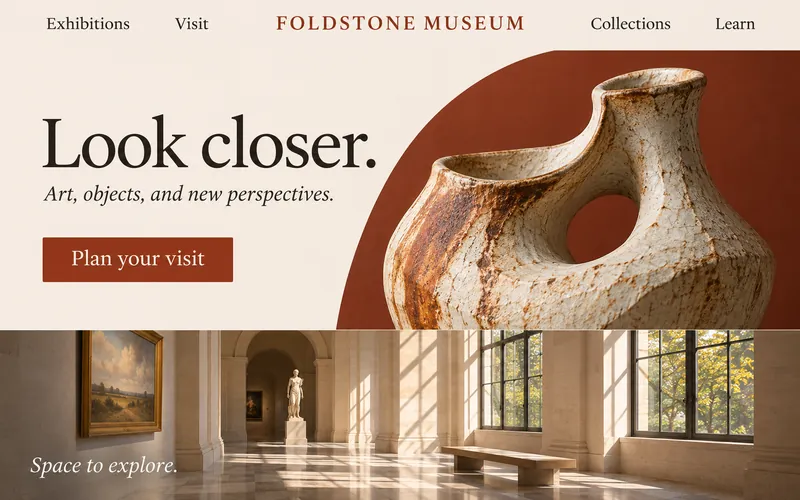
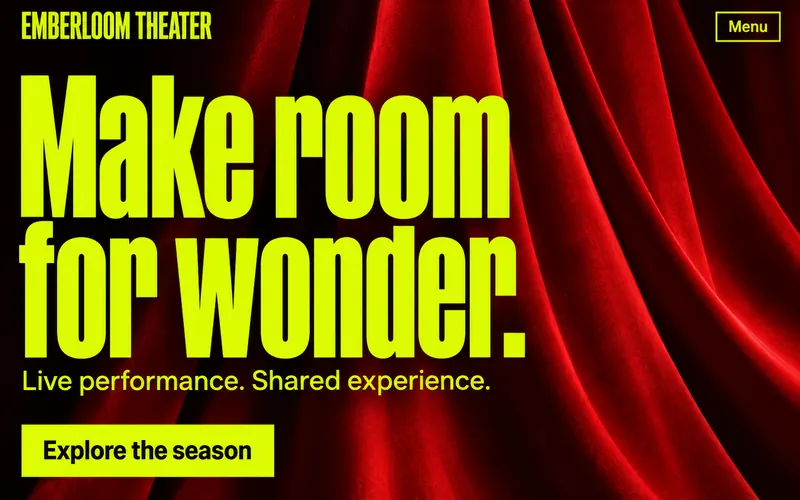
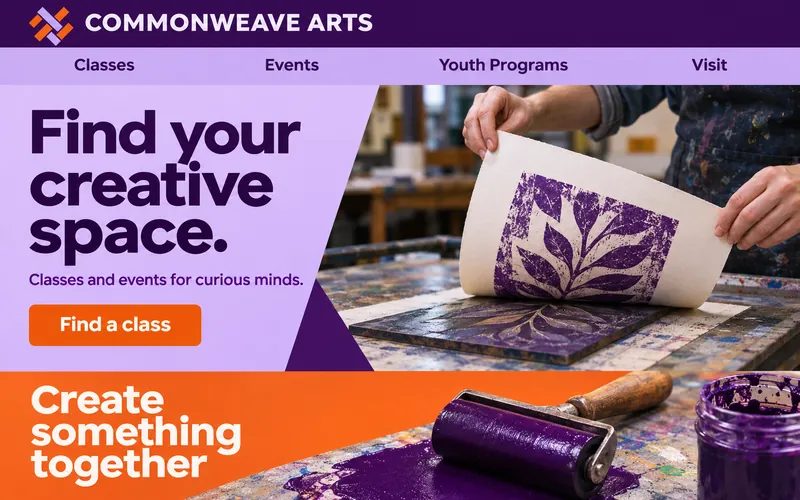
6 CONCEPTS FOR ARTS AND CULTURAL ORGANIZATIONS
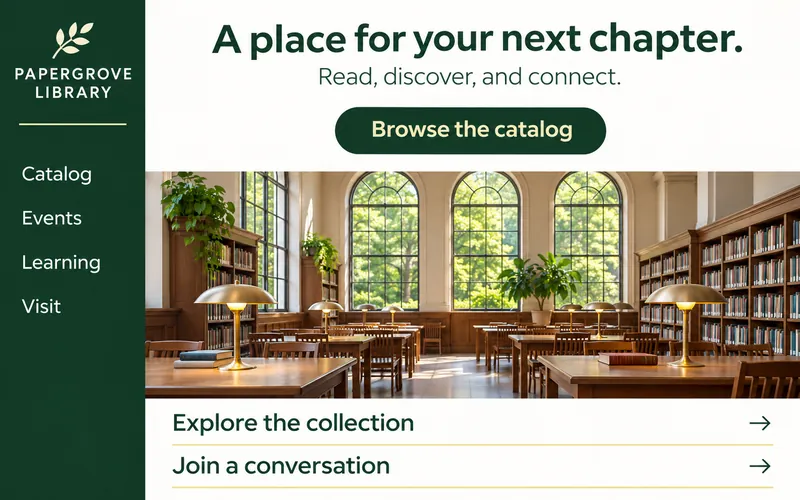
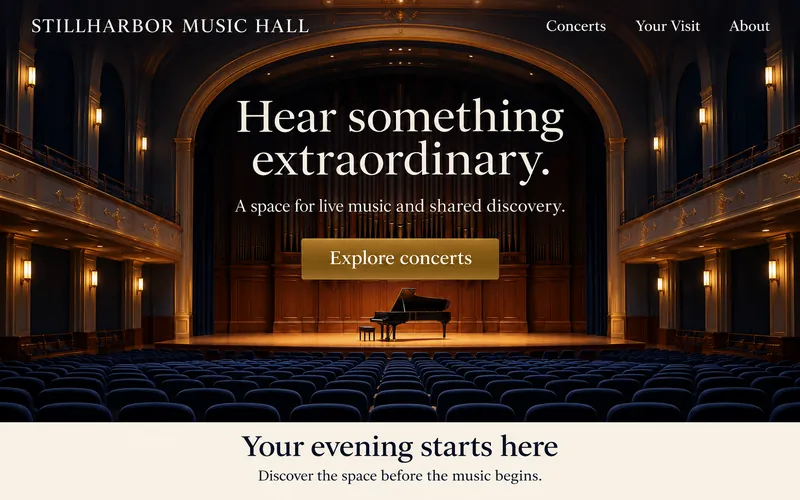
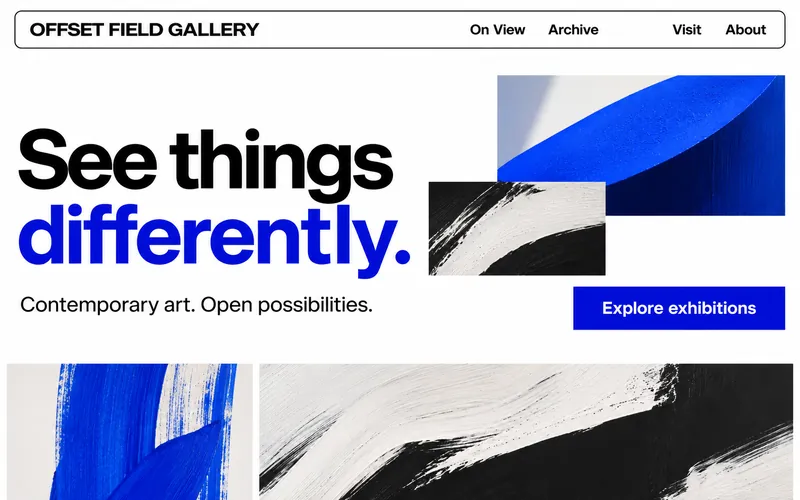
YOUR INSTITUTION. YOUR AUDIENCE.
The visitor needs the opening hours, the viewer - the date of the performance, and the parent - the rules for registering for classes. We design the structure around these needs. The selection of pages and features results from the activities of the institution, the number of locations and the way the content team works.
A website for a museum or gallery should combine exhibitions with tour information. We will show the duration of the exhibition, tickets, hours and educational offer. We will consider the collection catalog or virtual tour as a separate scope.
A website for a theater, philharmonic hall or other stage leads from the event schedule to a specific date. We will organize descriptions, cast or performers, event locations and how to purchase a ticket. We will check the connection to the sales system before the quote.
Websites for community centers and libraries may present ongoing classes, workshops and meetings. We will show age groups, schedule, fees and registration. For branches, we will take into account the appropriate hours and contacts; the library catalog may remain in the current system.
FROM EVENT TO VISIT
A typical visitor might go from the program to an event, practical details, and then tickets or registration. Since visitors may arrive directly on an event page, exhibition, performance, and workshop details should be easy to find there too.
The list of events may lead to a description with date, time, place, duration and rules of participation. The quote will determine whether an ordered list is enough or whether a calendar with filters is needed. We will also schedule announcements about rescheduling and completed events.
Opening hours, ticket prices, directions, and access information help people plan a visit. Your organization provides current details about facilities, restrictions, and whom to contact with accessibility questions. Each location has its own relevant information.
Separate space for museum lessons, workshops and classes allows you to show the age of participants, group size, time and fees. The teacher or guardian will check the booking rules and contact details of the education department. We will select the downloadable materials to match the actual offer.
Your history, team, projects, and past events help visitors understand your organization. We keep the archive separate from the current program and plan space for press information, documents, and a link to your public records portal, if you have one.
WHAT'S INCLUDED
Before development, we will agree on the design, types of pages, materials, content editing tools and features. We include accessibility requirements and acceptance criteria in the scope. You know what the quote includes, what the institution provides and which works require separate arrangements.
We will combine brand identity, photos and program materials with a clear layout. Three free concepts allow you to compare presentation directions before ordering website development.
The program, visit details and buttons should also work on a phone. We will plan a clear menu and coherent event pages. We will check the most important views and how to get a ticket, registration and contact details.
Contrast, heading structure, labels and keyboard operation are part of the planning. We will agree on WCAG requirements, the scope of tests and a possible audit. Accessibility also includes content, files and media; the choice of template itself does not confirm it.
We will arrange addresses, titles, headings and connections between the program and events. Current dates and locations help your audience find the right information. We set ongoing SEO and promotional campaigns separately.
We will choose the update process the program, hours and messages. The scope of the panel, the roles of editors, publication acceptance and instruction will be determined according to the team's work. The ticketing system or catalog requires verification of the supplier's capabilities.
Before launch, we check the agreed pages and visitor journeys against your acceptance criteria and approved content. We agree on login access, training, and maintenance arrangements before development begins.
EVENT-CUSTOMIZED PARTICIPATION
Free events, ticketed performances, and classes with limited space need different sign-up information. We start with the way you manage attendance today. Linking to a tool, embedding a form, and building a full integration each involve different work.
The event button may lead to a specific date in the ticketing system used. Embedding a sale or exchanging data requires checking the vendor's documentation. Licenses, commissions and responsibility for keeping available spots up to date are discussed separately.
At the course or workshop, we will show the age of participants, dates, limits and registration rules. The form, confirmation or waitlist are options to be agreed upon. Information about the closing of registration should also be visible on the course website.
An appointment request may collect activity type, group size and preferred date. The institution determines whether the notification requires confirmation by an employee. We do not present your inquiry as a booking unless a place is automatically allocated.
We will assign appropriate contacts to the cases: box office, education, branch or audience organization. Visible call times and directions help you before your visit. We will also make it easier to find a contact regarding the availability of the event.
CURRENT PROGRAM. CLEAR RESPONSIBILITY.
The institution's website is alive with premieres, exhibitions and subsequent recruitments. Before the project, we determine what materials are created in the team and who approves them. The editing access, archive transfer and preparation of files and multimedia is specified in the quote.
Prepare some typical events: title, description, dates, place, fees and how to participate. A common layout helps provide complete information. We will determine how to link recurring dates and where to announce program cancellations or changes.
You will need a logo, identification, photos and posters for publication. The institution indicates the authors, required credits and the scope of use of the materials. Important information from the poster should also have a readable text version.
We will agree on who creates alternative descriptions, prepares documents, subtitles and transcripts, and updates the accessibility statement when required. We recognize the need for old files and video materials before pricing; they do not disappear after changing the appearance of the page.
We agree on who approves and publishes content, when it goes live, and how past events are archived. It helps to identify who maintains the program, hours, documents, and public records. We tailor editing tools and training to your team.
SEE THE DESIGNS. THEN DECIDE.
Compare three appearance and layout concepts for your arts and cultural organization. You will see different ways of presenting the program, information about the visit and how to participate. This stage is free of charge, without a contract or deposit.
All you need is a description of your business, your audience and what you want to improve on the site. The address of your current website and some program materials will be useful. Suggestions will help you choose a direction; they do not replace the institution's specifications or procurement procedure.
The free concepts show possible designs and layouts. Building and launching your website is a separate, paid stage that begins only after you approve the scope and price.
WEBSITE - PRICE AND SCOPE
The price of a website for an arts and cultural organization depends on the number of pages, amount of content, content editing tools, accessibility requirements and features. After the conversation, you will receive a custom quote. The scenarios below show possible ranges that we will adjust to your needs and budget.
For an institution with a small program or a site for a specific project. The layout presents the activity, current offer, visit conditions and appropriate contact details.
For an institution that regularly publishes events, exhibitions or classes. The scope may include program, education, practical information and agreed editing pages.
For institutions with several locations, larger archives, additional languages or the need for connections to ticketing systems and other tools.
Website development and ongoing costs are priced separately. Your quote defines the content, migration, features, accessibility requirements, acceptance criteria, timeline, and revisions. Domain registration, hosting, licenses, and third-party systems have separate costs. Accessibility audits, updates to archived documents, ongoing support, and marketing are scoped separately. Your first three design concepts are free.
FOUR STAGES. CLEAR ARRANGEMENTS.
The schedule depends on the scope, materials and time for institutional approval. Before paid website development, we confirm the price and acceptance rules. If you have a description of the subject of the order or project requirements, we will include them in the scope conversation.
We discuss your program, audience, publishing workflow, and existing tools. We review the current structure, content to migrate, and accessibility needs, then agree on pages, features, and who makes decisions.
We present three free design and layout concepts. You compare ways to display your program and share feedback. You decide whether to proceed with development, following your organization’s purchasing process.
We confirm the scope, price, date and acceptance criteria. We develop the selected project and implement the agreed content and features. The institution approves information, materials and data regarding the visit and availability.
We verify the views, links and agreed paths of the participant and the editor. We carry out accessibility tests or audits to a specific extent. After approval, we launch the website and provide the agreed access, instructions and rules for further use.
VISIBILITY, MAINTENANCE AND NEXT STEPS
A new season, exhibition or branch means new content and sometimes new features. We will plan space for development and how to update it on an ongoing basis. We agree on further work in accordance with the team's needs and the available budget.
Organized events, descriptions and practical information form the basis of visibility. We can discuss SEO and Google Ads campaigns separately for your institution's program. The website build does not guarantee rankings, attendance or ticket sales.
We review existing URLs, archived events, documents, and media to decide what to move and where redirects are needed. We plan the domain switch around your email and related services, including any public records portal.
We will agree on responsibility for updates, backups, renewals and change notifications. The institution can maintain the content itself or order help. Further accessibility reviews and feature development require a separate scope statement.
REVIEWS
Feedback on the ideas, communication, and details that make a difference.
Łukasz really understood my business. The website feels clean and elegant, and it highlights what matters most.
DIRECT COLLABORATION
Website design backed by SEO and SEM experience.
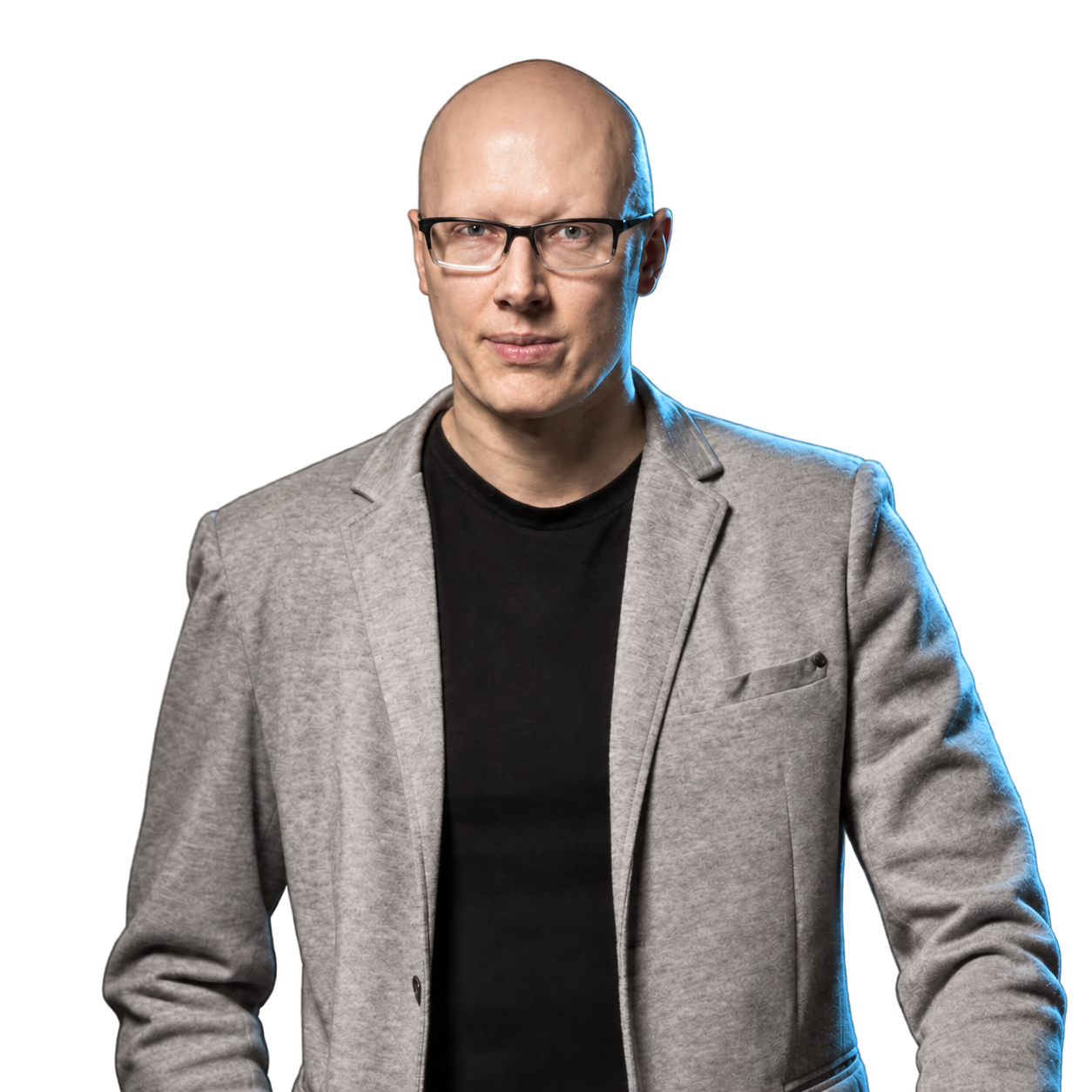
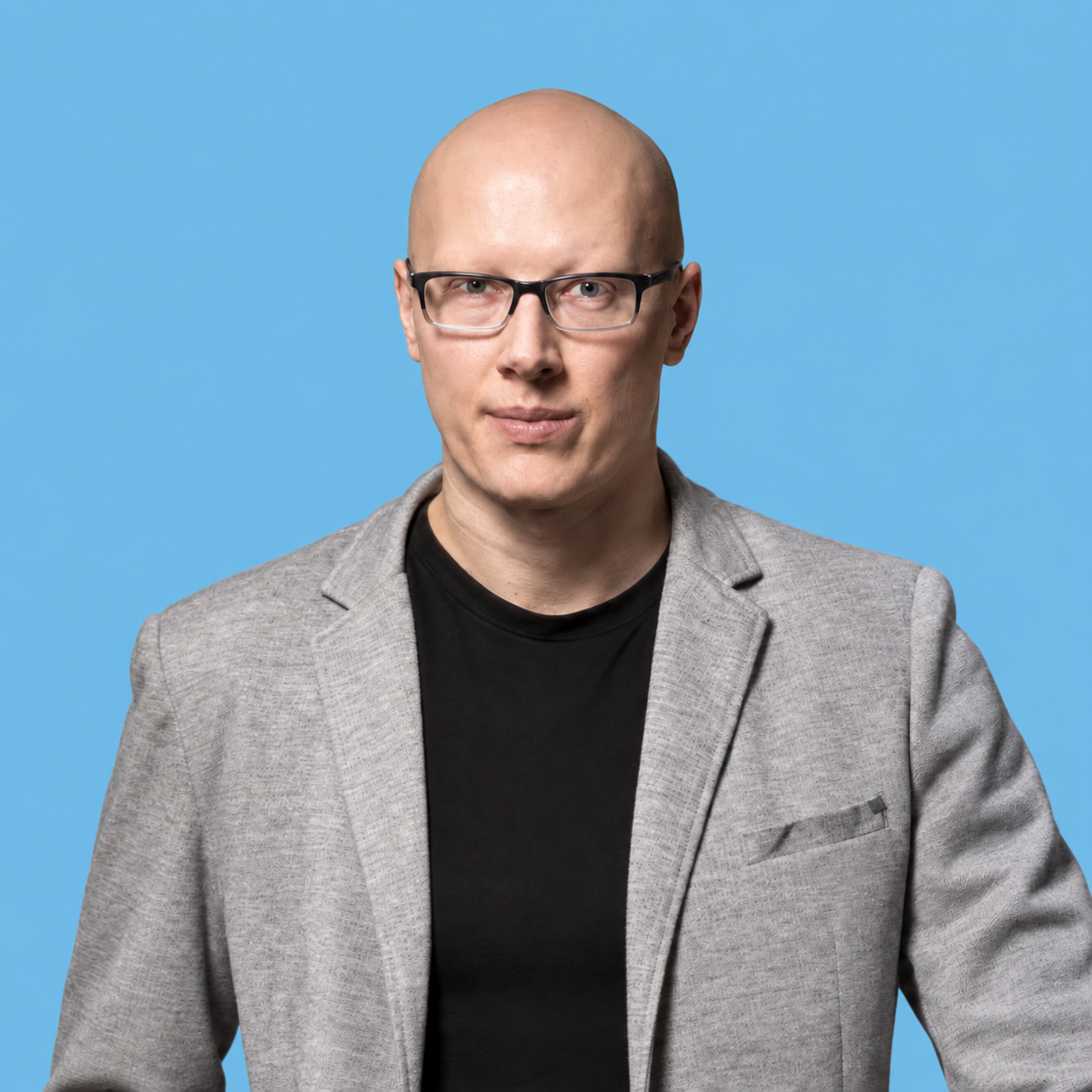
I’m Łukasz Zaborski. I bring over 17 years of SEO and SEM experience, including projects for more than 200 clients across Poland and Europe, to each website I create. I consider how people find your business, compare services, and decide to get in touch.
At zaborski-pro.com, you work directly with me. I'm based in Poland and work remotely with U.S. businesses. Tell me about your services, current website, and goals. We'll agree on a scope that fits your business and coordinate communication around your time zone.
Tell me about your institutionYOUR BUSINESS. YOUR INDUSTRY.
Choose your industry. Explore website ideas, features, and answers to common questions.
QUESTIONS BEFORE YOU START
Answers about pricing, programs, accessibility, and managing content.
Yes. Your three initial design and layout concepts are free, with no deposit, contract, or obligation to continue. A brief description of your business and goals is enough to start. Building and launching the website is a separate, paid stage that begins only after you approve the scope and price.
Your quote is tailored to the project. Pages, quantity and condition of materials, migration, content editing tools, availability and integrations are important. Before development, you will receive the scope of work and the separate costs of maintenance, license and optional website support. Not every institution needs an extensive portal.
We will set a date after examining the scope and availability of materials. The schedule will include design approval, content verification by the team, migration, and agreed testing. If the website needs to be launched before a season or exhibition, include this date at the beginning of the conversation.
A description of the activity, examples of events, hours, ticket prices, registration rules, logo, photos and the address of the current website will be useful. Indicate the systems used, the number of editors and the project requirements. Materials should be intended for publication, with required credits. We do not need lists of participants for the quote.
Before quoting, we'll agree on accessibility requirements, testing, content responsibilities, and any independent review. We'll consider the U.S. requirements relevant to your organization and plan for accessible navigation, forms, and documents. A template or accessibility widget alone does not establish compliance.
Yes. We can add a clear link to your existing public records portal and distinguish it from your events and program content. Building or migrating the portal is a separate project that needs its own assessment. Your organization identifies the required documents and approves their content and accuracy.
We can schedule a link to the appropriate event and date in the system you are using. A widget or data exchange requires checking the vendor's capabilities, documentation, and costs. We will also determine the method of presenting changes in dates and availability of places. Integration is an option agreed in the quote.
Yes, after establishing the rules of participation and handling of applications. The scope may include an inquiry form, a transition to an enrollment tool, or an integration. We will determine the necessary fields, limits and whether the application is confirmed by an employee. Waitlists, payments and automatic confirmations require separate arrangements.
We will choose the content editing tools to suit the program and the work of the content team. We will determine the edited content, permissions, acceptance of publication and instructions. Identify who updates dates, hours, documents and multimedia materials. Ongoing assistance after launch may be a separately agreed service.
After reviewing the current configuration, we will plan to switch the site and maintain email support. We will specify a list of content and files to be transferred, old addresses and needed redirects. A large archive, incomplete data or adaptation of old materials affect the scope and cost of migration.
Provide the existing description, acceptance criteria and requirements regarding deadlines, availability, maintenance and handover of materials. We will compare them with the team's needs and the scope that can be estimated. The terms of the contract and the decision to select the contractor are determined by the institution.
Scope may include structure, titles, headings and linking. Ongoing SEO, campaigns, editing of subsequent content and maintenance require separate arrangements. Before you start, we also discuss the costs of domain, hosting, licenses and renewals. Launching a website does not guarantee an increase in attendance.
Let's talk about the website of your arts and cultural organization.
Get 3 Free DesignsLET'S TALK
Describe what program your arts and cultural organization runs and what the new website will facilitate. We'll provide three free design and layout concepts to help you choose your direction.
Tell us about your organization, audience, and current website. Let us know whether you need event listings, editing access, registration, or ticketing connections. Include any accessibility requirements and target launch date. Describe your needs without sending participant data.
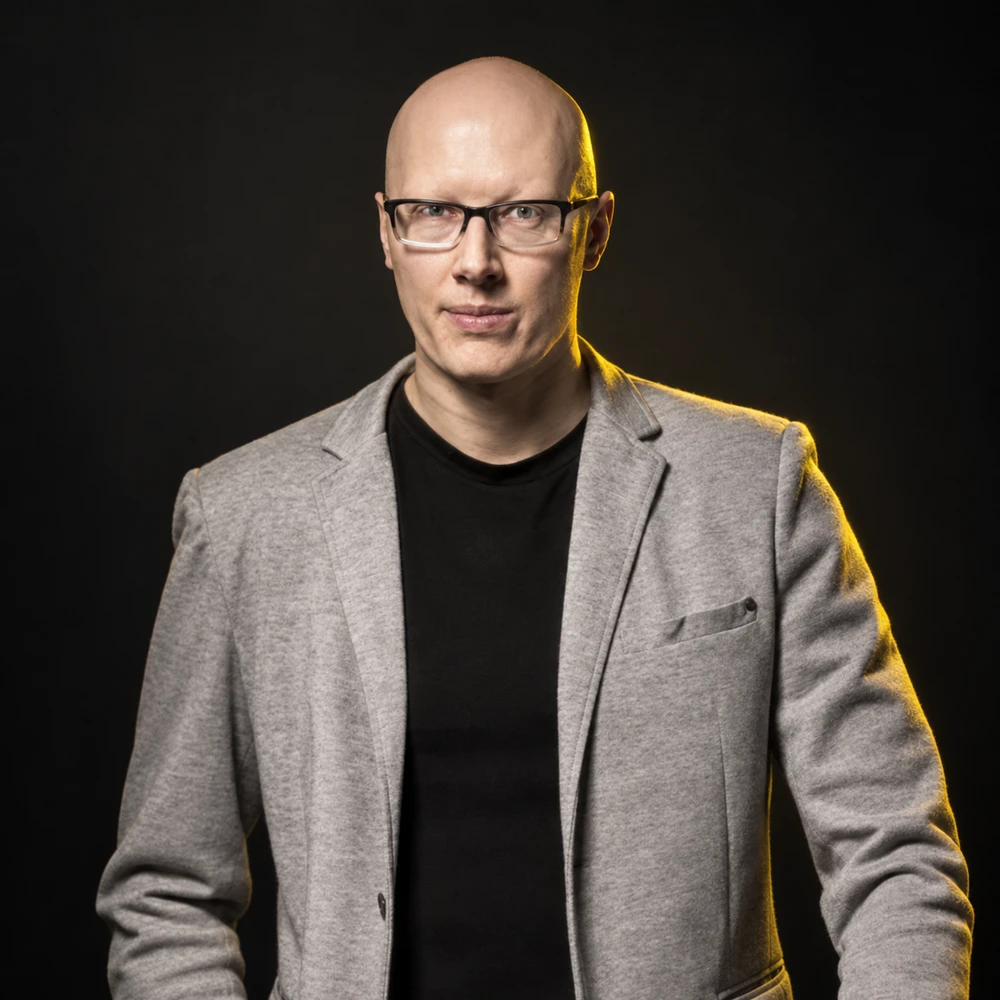
Łukasz ZaborskiYou'll work directly with me.